Health and Safety Policy for Landscaping Edmonton
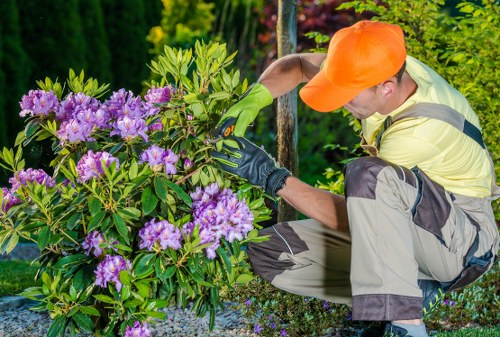 Landscaping Edmonton requires a clear health and safety policy to protect workers, clients, visitors, and the public. This policy sets expectations for safe conduct in all outdoor work environments, including residential yards, commercial properties, and seasonal maintenance sites. Our approach is built on prevention, communication, and consistent supervision. By applying practical controls and reinforcing safe habits, landscaping in Edmonton can be carried out efficiently while reducing the risk of injury, property damage, and environmental harm.
The company is committed to maintaining a workplace where safety is part of every task. This includes hazard awareness, proper training, suitable equipment use, and the prompt reporting of concerns. All employees, subcontractors, and supervisors share responsibility for supporting a safe work culture. Every project, whether it involves mowing, pruning, planting, grading, or snow-related seasonal work, must be planned with health and safety in mind.
 Safe operations begin before any work starts. A site review is completed to identify hazards such as uneven ground, buried objects, vehicle traffic, power lines, sharp tools, chemicals, weather conditions, and access limitations. When needed, work is paused until hazards are controlled. Landscaping crews must never assume that familiar sites are automatically safe. Conditions can change from one visit to the next, especially after storms, irrigation use, or construction activity.
Safety Responsibilities
Management is responsible for providing the resources needed to work safely. This includes appropriate personal protective equipment, maintained tools, written procedures, and supervision that supports compliance. Supervisors must ensure that staff understand job hazards and are capable of completing assigned tasks safely. Employees are expected to follow instructions, use equipment correctly, and report unsafe conditions without delay. Safety is not optional; it is part of every job requirement.
Workers must wear equipment suited to the task, which may include gloves, eye protection, hearing protection, high-visibility clothing, steel-toed footwear, and weather-appropriate layers. In some situations, respiratory protection or additional safeguards may be required. Equipment must be inspected before use, and damaged tools must be removed from service until repaired. A landscaping safety policy is only effective when all people on site apply it consistently.
Communication is essential. Crews should review the day’s tasks, confirm roles, and identify special hazards before starting work. When multiple workers are present, clear signals and shared awareness help prevent struck-by incidents, slips, and equipment-related injuries. If a task cannot be completed safely, the work must stop until the issue is corrected. Taking time to reassess is part of a professional landscape health and safety program.
Equipment, Materials, and Work Practices
 Power equipment such as trimmers, blowers, mowers, saws, and compact machines must be used only by trained personnel. Operators must follow manufacturer instructions and company procedures at all times. Guards, shields, and safety devices must remain in place. Refueling and maintenance must be done carefully, with engines off and ignition sources controlled. Safe handling of tools reduces the chance of lacerations, burns, entanglement, and mechanical failure.
Chemicals, fertilizers, and soil amendments must be stored, handled, and applied according to safe work practices. Labels and safety data must be reviewed before use, and spills must be contained promptly. Workers should avoid unnecessary exposure and wash hands after handling products. If dust, fumes, or spray drift may affect the area, additional precautions are required. In Edmonton landscaping operations, changing conditions can affect product use, so planning and restraint are important.
Manual lifting and repetitive movement are common in outdoor work. To reduce strain, employees should use proper lifting techniques, team lifts where needed, and mechanical assistance for heavy loads. Tasks should be rotated when possible to reduce fatigue. Crews must also be alert to weather exposure, including heat, cold, wind, and sudden rain. Safe pacing, hydration, and regular breaks support productivity and prevent preventable incidents.
Traffic, public interaction, and site control are also major safety concerns. When work occurs near roads, driveways, walkways, or active businesses, clear boundaries must be established using cones, signs, barriers, or spotters when necessary. Equipment should be positioned to reduce exposure to moving vehicles and pedestrians. Workers must remain attentive and avoid distractions, especially when visibility is limited. Good housekeeping is equally important; tools, debris, hoses, and cords should be organized to prevent trips and collisions.
Emergency preparedness is an important part of this policy. First aid supplies must be available, and at least one trained person should be present when required by the task and crew size. Workers must know how to respond to injuries, equipment malfunctions, chemical exposure, severe weather, and environmental hazards. Emergency procedures should be reviewed regularly so that action is quick and calm when needed. Accurate incident reporting helps prevent repeat events and supports continuous improvement.
 Supervisors will review safety performance through regular inspections, short meetings, and corrective actions. Workers are encouraged to report hazards, near misses, and unsafe behavior immediately. Repeated violations of safety rules may result in retraining or further discipline. This policy is reviewed and updated as work practices, equipment, and risks change. Continuous improvement helps ensure that landscaping Edmonton operations remain responsible, dependable, and safety-focused.
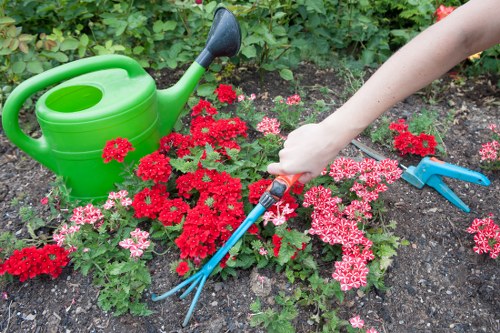 Every person on site has a role in maintaining a safe workplace. By combining training, planning, communication, and proper equipment care, the company can deliver quality results while protecting people and property. A strong health and safety policy supports both operational excellence and long-term trust. In practical terms, safe landscaping services are not just a requirement; they are a standard of professionalism.