Garden drainage in Edmonton: practical solutions for wetter yards, healthier soil, and better outdoor living
When water lingers in your yard after a storm, melts slowly in spring, or keeps pooling near your patio, it does more than make the garden look messy. It can stress plants, soften lawn areas, attract pests, create muddy access routes, and make it harder to enjoy your outdoor space. Garden drainage in Edmonton is not just about moving water away; it is about protecting the way your property functions through freeze-thaw cycles, heavy summer rain, snowmelt, and the unique soil conditions found across the city.
Homeowners, landlords, condo boards, and commercial property managers in Edmonton often deal with drainage issues that start small and become expensive if ignored. A low spot in the yard, an old downspout discharge point, compacted soil, or improper grading can turn into a repeating problem. If your lawn stays saturated, your beds wash out, or water sits close to your foundation, it may be time to request a free quote and talk through the best drainage options for your site.
Because every property is different, the right solution depends on how water enters, moves, and exits your yard. Some properties need simple regrading and soil correction. Others need French drains, catch basins, dry wells, swales, downspout extensions, sump discharge management, or a combination of systems. A local team that understands Edmonton weather, neighbourhood layouts, and common yard conditions can help you choose the most practical approach.

Why yard drainage matters so much in Edmonton
Edmonton’s climate creates a challenging mix for outdoor drainage. Sudden rain, spring melt, long freeze periods, and thaw-refreeze patterns can all affect how water behaves on your property. In many residential areas, the ground can stay frozen for a long time and then release large volumes of water quickly when temperatures rise. That means the soil needs to absorb and direct water efficiently, not simply hold it in place.
When drainage is poor, the signs often show up in the garden first. Raised beds can become saturated. Mulch may float away. Plant roots can suffocate. Grass can thin out or develop soft, uneven areas. In some yards, the water finds its easiest path toward walkways, side yards, basements, or neighboring lots. What starts as a muddy patch can quickly become a property-wide nuisance.
Good drainage supports more than appearance. It helps protect your landscaping investment, reduces standing water around patios and sheds, and makes maintenance easier throughout the season. For customers planning a garden upgrade, a new fence line, or a backyard retreat, drainage should be considered early so the finished space works properly from day one.
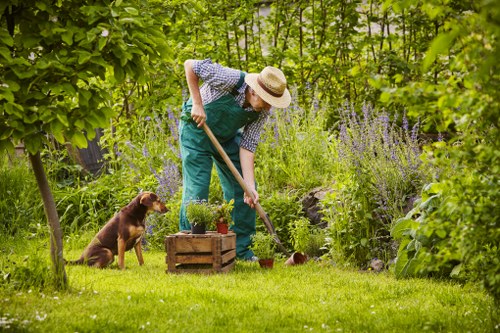
Common drainage problems in Edmonton gardens
Many local properties share a familiar set of drainage concerns. Some are visible immediately, while others only appear after a heavy rain or a quick thaw. A careful inspection can usually identify the source and the most effective fix.
Typical issues include:
- Pooling water in lawn areas or low spots
- Water collecting beside garages, sheds, and patios
- Soil erosion in garden beds or along slopes
- Downspouts dumping water too close to the house
- Clay-heavy or compacted soil that drains slowly
- Improper grading that sends water toward structures
- Muddy side yards with limited airflow and sun exposure
- Drainage conflicts caused by neighbouring lots or shared elevations
Not every problem means the same solution. For example, a yard that only floods near a single downspout might benefit from a targeted collection point and redirected discharge. A broader site issue may call for regrading, a surface drainage path, or a subsurface system that captures water before it can spread. The goal is to create a solution that fits the property rather than forcing a one-size-fits-all fix.
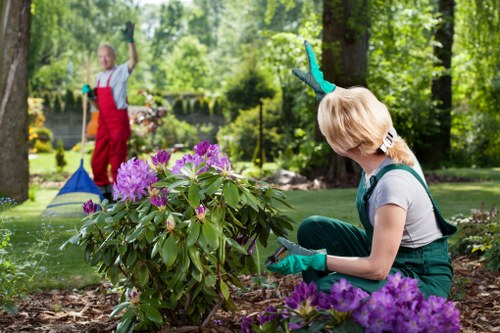
What professional garden drainage can include
Garden drainage projects can range from straightforward improvements to full site corrections. The right mix depends on how the yard is built, where water flows, and how you use the space. A local service provider should assess the landscape, look for signs of standing water, and recommend a practical plan.
Common service options may include:
- Regrading and leveling to reshape the slope and move water away from problem areas
- French drains to collect and redirect subsurface or surface water through perforated pipe and gravel
- Catch basins for collecting surface runoff in low spots, drive edges, or patio corners
- Swales to guide water naturally across the property in a controlled path
- Dry wells or soakaway areas where site conditions allow water to disperse underground
- Downspout extensions and discharge routing to move roof water farther from the foundation
- Garden bed drainage improvements using soil amendments, edging corrections, and better drainage layers
In many cases, the best answer is not one big system but several smaller improvements working together. For instance, regrading a side yard, upgrading a downspout outlet, and improving a bed’s soil structure can solve a moisture problem more effectively than a single drain line alone. Careful planning matters because every change affects the way water moves through the rest of the property.
Why local knowledge matters for Edmonton properties
Choosing a local contractor for drainage work can make a real difference. Edmonton properties are affected by neighbourhood layout, lot slope, mature trees, shared fencing, and the types of soil common in the region. Homes in older communities may have settled grades, legacy landscaping, or limited access between structures. Newer homes may have tighter side yards, compacted subsoil, and drainage paths that were never fully tuned to the final yard design.
A team familiar with garden drainage Edmonton conditions can spot patterns quickly. They know how snow storage, roof runoff, and meltwater can affect yards in neighbourhoods across the city. They also understand that access can be tight, especially in side yards, behind garages, or in laneway homes where equipment movement and material delivery must be planned carefully. In commercial and multi-unit settings, drainage work also needs to be completed with tenant access, parking areas, and operational timing in mind.
That local perspective helps reduce surprises. It supports better material choices, more realistic timelines, and solutions that work with the property’s natural shape rather than fighting against it. If you are comparing service providers, a local company should be able to discuss site conditions in plain language and explain what each option will do for your yard.
What to expect during a garden drainage service visit
A well-run drainage service starts with a site review. The contractor should look at slope, soil condition, runoff sources, downspout locations, low points, and any visible damage or water staining. They may ask how long the problem has been happening, whether it appears during rain or snowmelt, and which areas of the yard matter most to you. That information helps narrow down the cause instead of treating the symptoms alone.
After the assessment, you should receive an explanation of possible solutions and how they would fit your yard. In some cases, the work may be staged so the most urgent problem is handled first. In others, it may make sense to complete the drainage improvements before moving on to new planting, sod, hardscaping, or fence work. Good sequencing can save time and reduce repeat disturbance.
Depending on the project, the work may involve excavation, pipe installation, grading adjustments, gravel placement, catch basin fitting, or trench backfill. Once complete, the area should be shaped for proper water movement and restored in a way that supports future planting or turf replacement. If your yard has mature landscaping, narrow access, or delicate structures nearby, a careful crew will plan the work to minimize disruption.
Helpful signs that your property needs attention
If you are unsure whether you need drainage work, these warning signs are worth taking seriously:
- Water stays on the surface long after rain ends
- The same area becomes muddy every spring
- Plants in one bed keep dying from soggy roots
- Mulch, soil, or seed keeps washing away
- Water runs toward a garage, basement wall, or patio edge
- There is a musty smell or dampness near a low exterior area
- Your yard feels soft, bouncy, or uneven in repeated wet spots
How drainage work helps both residential and commercial customers
While many people think about drainage only in a backyard setting, the same principles apply to other property types. Residential customers want healthier lawns, usable patios, safer walkways, and better protection for basements and foundations. Commercial customers may need to keep entryways dry, protect landscaped frontage, manage runoff around loading areas, or reduce slip hazards for customers and staff.
For houses, drainage improvements often focus on the garden, side yards, rear lots, and areas around downspouts. For apartment buildings, mixed-use sites, or retail properties, the work may involve larger surface areas, stronger runoff management, and careful coordination with parking or access routes. In both cases, the main goal is the same: move water in a controlled, predictable way.
Customers often appreciate that drainage upgrades can support other outdoor improvements too. A level, properly drained yard is easier to landscape, easier to mow, and more likely to stay attractive through a full Alberta season. If you are planning a garden renovation or outdoor living update, it is smart to address water movement before the final surfaces go in.
Neighborhood conditions that can affect drainage in Edmonton
Different parts of Edmonton can present different drainage challenges. Mature areas may have older grading patterns and established trees whose roots affect soil movement and water absorption. In newer subdivisions, lots may be compacted from construction activity, and drainage features may not fully match the way the final landscape was installed. Some properties have sloped backyards, while others are nearly flat and need help directing water to the right exit points.
Areas with laneways, detached garages, or narrow side access can make drainage work more intricate. Getting materials into place and moving equipment without damaging the property requires planning. Snow piles from winter storage can also influence how water behaves when melting begins. A local contractor who works in Edmonton regularly will understand these everyday realities and adjust the project approach accordingly.
Whether your property is in a newer residential area, an established neighbourhood, or a commercial corridor, a tailored plan is more effective than relying on general assumptions. The same storm can affect two properties very differently depending on slope, soil, building placement, and previous landscape work.
Benefits of solving drainage problems early
Addressing water issues sooner rather than later can save time, reduce frustration, and help protect the investment you have already made in your property. Even if a drainage concern seems small at first, repeated saturation can lead to bigger repairs down the road.
Key benefits can include:
- Healthier plant growth and improved garden performance
- Less mud and standing water after storms or snowmelt
- Reduced erosion in beds, slopes, and pathways
- Better protection for patios, decks, sheds, and foundations
- Improved access to side yards and outdoor living spaces
- Cleaner appearance and easier seasonal maintenance
- More confidence when planning future landscaping upgrades
In short: fixing drainage helps the whole property work better. That is especially true in Edmonton, where weather swings can expose weak spots very quickly. If you have been dealing with the same wet area year after year, it is worth getting it assessed before another season passes.
What influences pricing for drainage work
Every drainage project is different, so pricing depends on several site-specific factors rather than a standard approach. The amount of excavation, the type of system needed, the depth of the work, and the accessibility of the site all influence the final scope. Properties with compact or rocky soil, buried utilities, mature landscaping, or limited equipment access may require more time and care.
Other factors can include the length of pipe runs, the number of collection points, whether grading changes are needed, how much surface restoration is involved, and whether the work is being coordinated with other landscape improvements. Commercial and multi-unit projects may also require scheduling around operating hours, tenant movement, or parking restrictions.
Because of these variables, it is usually best to contact us today for a site review rather than trying to estimate based on a quick visual guess. A proper assessment can identify the real issue and help you compare options with confidence. That way, you understand what you are paying for and how the work will solve the problem on your property.
How to prepare your property for drainage work
A little preparation can help the project run more smoothly. Before the crew arrives, it is useful to clear access paths, move lightweight items, and make sure the problem areas are easy to see. If you have underground sprinkler lines, pet concerns, garden features, or fragile plantings, sharing that information in advance helps the team protect them where possible.
Preparation checklist:
- Clear toys, pots, furniture, and loose items from the work area
- Identify any hidden irrigation, lighting, or utility lines you know about
- Mark areas you want preserved, such as shrubs, edging, or decorative stones
- Provide access details for side yards, locked gates, or tight entrances
- Note when the drainage issue is worst, such as spring melt or heavy rain
- Tell the contractor where you notice water first and where it ends up
Clear communication at the start often leads to a better result. If you are unsure about anything, ask questions before work begins. A good local team will explain how they plan to protect nearby surfaces, what part of the yard may be disturbed, and what restoration steps will follow after the drainage improvements are installed.
Areas commonly served across Edmonton
Drainage work is often needed in many parts of the city, from central residential streets to suburban yards and commercial sites along busy routes. Properties with older landscaping, compact spaces, or repeated runoff issues can be found throughout Edmonton’s neighbourhoods. Local service typically extends across a wide service area, including homes, rental properties, multi-unit buildings, and business sites that need reliable water management.
Customers in nearby communities also often face similar drainage concerns because the climate and soil conditions are not limited to one part of the city. If your property is in a neighbourhood with a slope, mature tree cover, narrow access, or snow storage challenges, it may benefit from a site-specific drainage plan. The best way to confirm coverage is to ask during your initial enquiry and describe the property layout in detail.
Frequently asked questions about garden drainage in Edmonton
How do I know whether I need drainage repair or just better grading?
If the problem is caused by the slope of the yard or water moving toward the wrong area, grading may be the main fix. If water collects below the surface or around specific low points, a drain system may be needed. Many properties need both. A site assessment is the best way to tell the difference.
Can drainage work be done around existing plants and landscaping?
Often, yes. The approach depends on how close the system is to plant beds, trees, retaining features, and hardscaping. In some cases, selective excavation and careful routing can preserve much of the existing landscape. In others, some temporary disturbance is unavoidable, but restoration can be planned around the final design.
Is a French drain always the answer?
No. French drains are useful in certain conditions, but they are not the right choice for every yard. Some issues are better handled with regrading, catch basins, downspout redirection, or surface swales. The most effective solution is the one that matches the cause of the water problem.
How long does a drainage project usually take?
Project length depends on the scope, access, weather, and complexity of the site. A small correction may be completed relatively quickly, while a larger drainage and grading project takes more time. The contractor should explain the expected schedule after reviewing the property.
Will drainage work improve my lawn and garden?
In many cases, yes. Better drainage often leads to healthier turf, improved root growth, less erosion, and more usable garden space. The key is balancing moisture management so the yard does not stay soggy but still retains enough water for plants to thrive.
Can you help with water coming from downspouts?
Yes, downspouts are a common source of yard drainage problems. Roof runoff can create heavy local saturation if it is released too close to the house or into a weak part of the yard. Redirecting that water is often an important part of the overall solution.
Choosing the right local team
When comparing providers, look for someone who asks good questions, explains the cause of the issue, and recommends a solution based on your property rather than a generic package. A reliable local company should be comfortable discussing soil type, slope, access constraints, restoration needs, and the way Edmonton weather affects the site over time.
It also helps to work with a team that can handle drainage as part of the larger landscape picture. If you are planning lawn work, bed redesign, patio updates, or garden improvements, coordination matters. The drainage should support the final use of the space, not create new problems later.
If you are ready to take the next step, book your service now and get the property assessed properly. A focused conversation can quickly reveal whether the issue is a simple fix or a more involved drainage improvement. Either way, you will have a clearer path forward.
Take the next step toward a drier, more usable yard
Standing water, soggy soil, and poor runoff patterns do not usually fix themselves. In Edmonton’s climate, they often become more noticeable with each season. Whether you are dealing with a muddy side yard, a garden bed that stays wet, or a larger runoff issue around your property, professional drainage work can make your outdoor space far more functional.
From residential backyards to commercial landscapes, the right drainage solution protects the property and supports everything else you want to do outside. If you have been putting it off, now is a good time to act. Contact us today to discuss your concerns, review your site, and plan the best approach for reliable garden drainage in Edmonton.
Ready when you are: request a free quote, ask about your drainage options, and move toward a yard that handles Edmonton weather with less stress and more confidence.